
Advertisement
Top 6 Kids’ Vitamins and Minerals
Advertisement728×90 LeaderboardVitamin A is important for normal growth and development; tissue and bone repair; and healthy skin, eyes, and immune responses. Where to get it: yellow-to-orange vegetables (carrots, sweet potato, squash) Swiss chard, kale, dark green lettuce red lettuce apricots cheese eggs Advertisement728×90 LeaderboardVitamin Bs —B1, B2, B3, B6, folate, and B12— help make red … Continued

Advertisement
Vitamin A
is important for normal growth and development; tissue and bone repair; and healthy skin, eyes, and immune responses.
Where to get it:
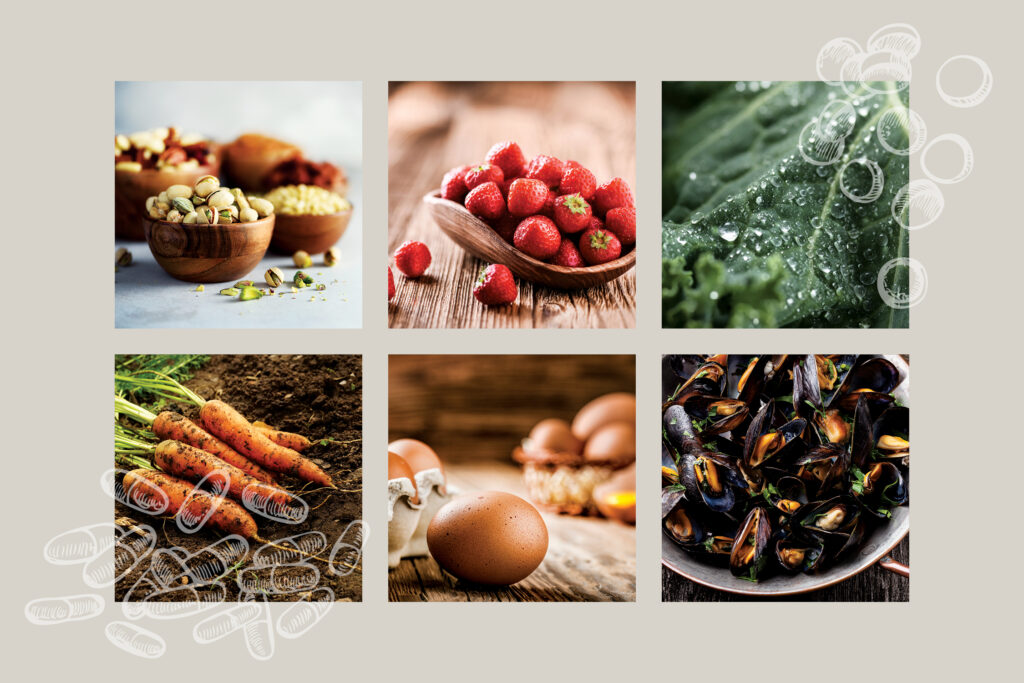
- yellow-to-orange vegetables (carrots, sweet potato, squash)
- Swiss chard, kale, dark green lettuce
- red lettuce
- apricots
- cheese
- eggs
Advertisement
Vitamin Bs
—B1, B2, B3, B6, folate, and B12— help make red blood cells, form our genetic blueprint, aid metabolism, keep the circulatory and nervous systems healthy, and convert food into energy.
Where to get them:
- eggs
- milk, cheese
- beans, lentils, chickpeas
- nuts and seeds
- soy/soy products (tofu, tempeh)
- meat, poultry, seafood, shellfish
Advertisement
Vitamin C
helps form healthy collagen, blood vessels, cartilage, and muscle, as well as neurotransmitters, and is found in high concentrations in immune cells.
Where to get it:
- citrus fruit
- strawberries
- kiwi
- tomatoes
- bell peppers
- broccoli
Advertisement
Vitamin D
promotes bone and tooth formation and helps the body absorb calcium; it also has benefits for immune health, mental health, and overall life expectancy.
Where to get it:
- sunlight
- eggs (yolks)
- shiitake mushrooms
- milk
- fatty fish (salmon, sardines)
Advertisement
Calcium
helps build strong bones as a child grows. Calcium is also important for muscle contraction, nerve signalling, and hormone release.
Where to get it:
- yogurt
- soy/soy products (tofu, tempeh)
- green leafy vegetables (kale, spinach, broccoli)
- milk, cheese
- sardines, salmon, anchovies
- almonds, sesame seeds
- beans
Advertisement
Iron
helps build muscle, develop healthy brains, and is essential to healthy red blood cells. Iron deficiency is a risk in adolescence, especially for girls once they begin to menstruate.
Where to get it:
- whole grains
- green vegetables (spinach, asparagus, snow peas)
- chickpeas, beans, lentils
- spinach, broccoli, Brussels sprouts, green peas
- red meats, poultry, seafood, shellfish
- soy/soy products (tofu, tempeh)
- eggs
- nuts and seeds