

Advertisement
Living in Rhythm
Creating vitality through consistency

Fact-Checked
This article has been written and fact-checked by experts in the field.
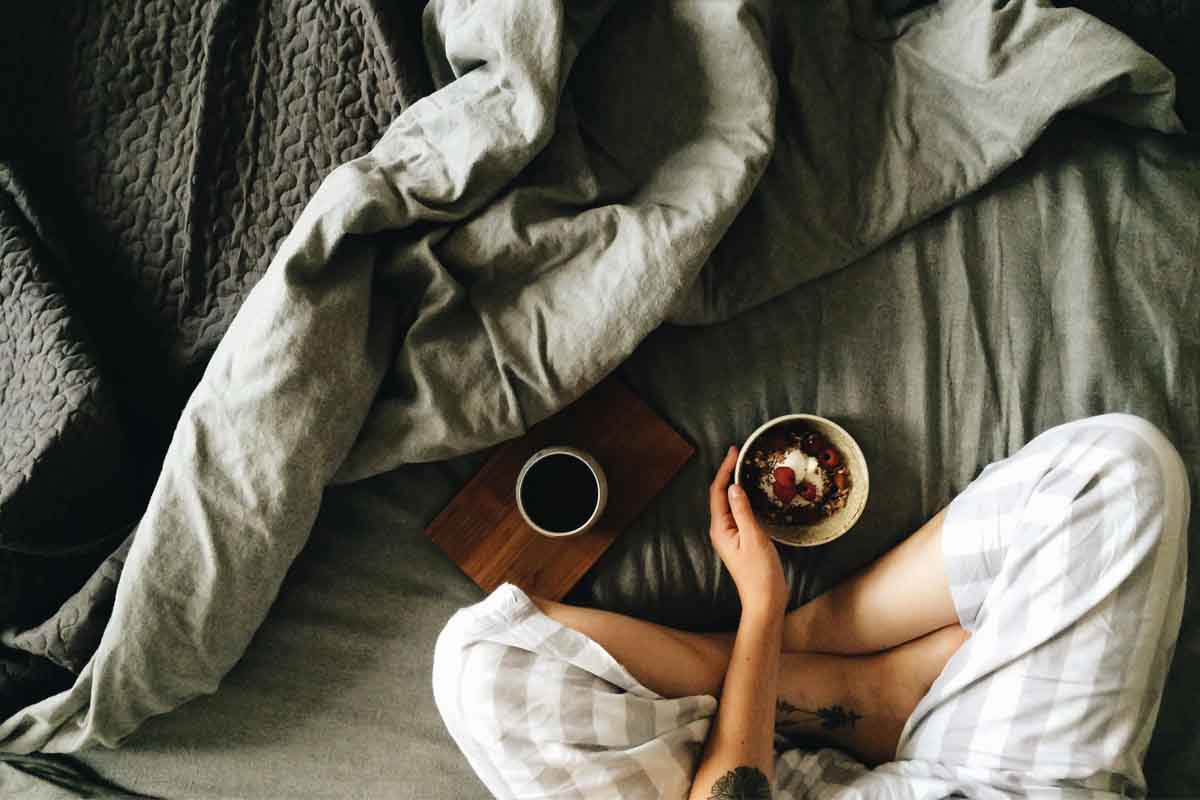
When it comes to health and longevity, most of us focus on what we eat or how we move. But research shows that how consistently we do things—from waking up at the same time to eating on a schedule—may be just as important.
Advertisement
The pivotal role of routine
Routine strengthens brain networks, stabilizes mood, and supports metabolic and hormonal balance—especially as we get older.
“Routine is pivotal as we age and experience hormonal deficiencies,” says Michael Mason-Wood, ND, co-founder of Natural Terrain, a naturopathic clinic in Edmonton, AB.
Tanya Lee, a Toronto-based naturopath, indicates that aging bodies require more energy, effort, and support to maintain balance.
“This means we can’t keep doing the same things we did when we were younger and expect our bodies to respond in the same way,” she says. “Keeping consistent routines and adding predictability to our lifestyles allows our bodies to utilize the energy we do have to maintain healthy processes, rather than counterbalance habits that do not serve us.”
Advertisement
Healthy routines for healthy aging
A 2022 study of 1,800 senior citizens over 65 looked at the impact of routine in aging adults. The participants with robust daily patterns who stayed active throughout the day and rose early in the morning had better cognitive function and were happier and less depressed than the other participants.
Stephen Smagula, PhD, the lead author of the study, found these results exciting given the health and wellness benefits that can come from “simple changes” to your daily routine.
Can when you eat affect how you age?
Emerging research, including a 2025 Mass General Brigham study, suggests that eating earlier in the day may improve metabolic and cardiovascular health.
The study, which followed approximately 3,000 older adults over several decades, found that shifting breakfast to a later time of day was associated with psychological illnesses, fatigue, oral health problems, depression, anxiety, and increased mortality.
Advertisement
The circadian connection
Keeping in sync with your circadian rhythm can have a significant impact on your health: circadian-rhythm disruptions have a powerful effect on metabolic disorders, psychiatric conditions, and cancer.
Our sleep and wake cycles are also regulated by our circadian rhythm. During the sleep cycle, memory consolidation, body healing, and metabolic regulation occur. Disruption of sleep rhythm has been linked to diabetes, obesity, depression, bipolar disorder, and seasonal affective disorder.
Aligning meal times with your circadian rhythm is crucial. Researchers say that meal intake at routine times from sunrise to sunset enhances circadian rhythmicity and sets you on track for optimal metabolic health.
Exercise is second only to bright light in terms of its significant effect on the circadian clock. Physical activity is known to strengthen the circadian system in elderly people, thereby lessening some age-related changes and improving health and well-being.
Advertisement
The neuroscience of routine and healthy aging
Neuroplasticity is the brain’s ability to reorganize itself by forming new neural connections throughout our lives in response to learning, experience, or injury. Neuroplasticity is known to decline as we age, but it can be bolstered through healthy habits.
A nutritious diet, regular physical exercise, cognitive stimulation (like reading, writing, or learning new skills), and socialization can reduce the impact of aging by enhancing brain plasticity and cognitive function. Consumption of antioxidants and omega-3 fatty acids may also support neuroplasticity.
Physical and cognitive exercise for brain health
According to research, it appears that the combination of aerobic and strength-based exercise can promote neuroplasticity, supporting both cognition and emotional well-being.
Advertisement
Practical tips for getting into the groove
Waking up at the same time every day—even on the weekends and regardless of how tired you are—is the first building block in developing a rhythm and getting better sleep.
Then, you can outline a realistic plan to keep active throughout your day. The plan doesn’t have to be complicated. For instance, it could involve making a list of activities you enjoy and arranging a time to meet with a friend or neighbour.
Lee says that it’s best to plan your most strenuous exercise or movement regimens for earlier on in the day. That’s because the cortisol that is produced by exercise is helpful for energy levels earlier on, and triggering cortisol later in the day or night could contribute to poor sleep and disrupt physiological circadian patterns.
Circadian time cues—also known as “zeitgebers”—may also come in handy. These can include sunlight, exercise, and hunger. The often-predictable lifestyles of pets could also cue your daily meals, exercise, and wake times.
Routine matters, especially as we age, but the real goal is creating systems that support us, not restrict us. That’s why Lee reminds us that “you can have diversity and variability within a consistent structure.”
Supplements for a night full of zzzs
As we age, circadian rhythm can shift, making it more challenging to fall and stay asleep.
The following supports can help:
- Michael Mason-Wood, ND, recommends melatonin-producing foods or supplements if you have trouble falling asleep.
- If you have difficulty staying asleep, Mason-Wood favours magnesium glycinate. It’s difficult to get enough of this mineral without taking a supplement—you’d have to eat two or three big heads of broccoli to meet your daily needs, says Mason-Woods. The mineral is available as an oral supplement as well as a topical cream.
- Not only does research tell us L-theanine helps improve subjective measures of sleep; it also assists with lowering blood pressure, heart rate, and cortisol.
- Studies have shown that GABA can improve insomnia, Alzheimer’s disease, Parkinson’s disease, epilepsy, and other neurological disorders.
- Valerian root is one of the most popular herbal remedies for sleep disturbances, potentially helping you fall asleep faster and sleep more soundly.
- A 2024 review of 10 studies concluded that chamomile improved sleep, particularly by reducing awakenings.
This article was originally published in the March 2026 issue of alive magazine.