
Advertisement
It’s Time to Rethink “Good” and “Bad” Foods
How to see past the labels and make smarter choices

Fact-Checked
This article has been written and fact-checked by experts in the field.

What makes one food seem healthy while another feels indulgent? Blanket statements like “low-fat” or “high-protein” can lead us to believe a product is inherently healthy—but that’s not always the case. The truth is that a food’s impact depends on many factors: macronutrients, micronutrients, fiber content, portion size, and more. That’s why we’re taking a closer look at a few popular “healthy” options—and what they might be missing.
Advertisement
Salads
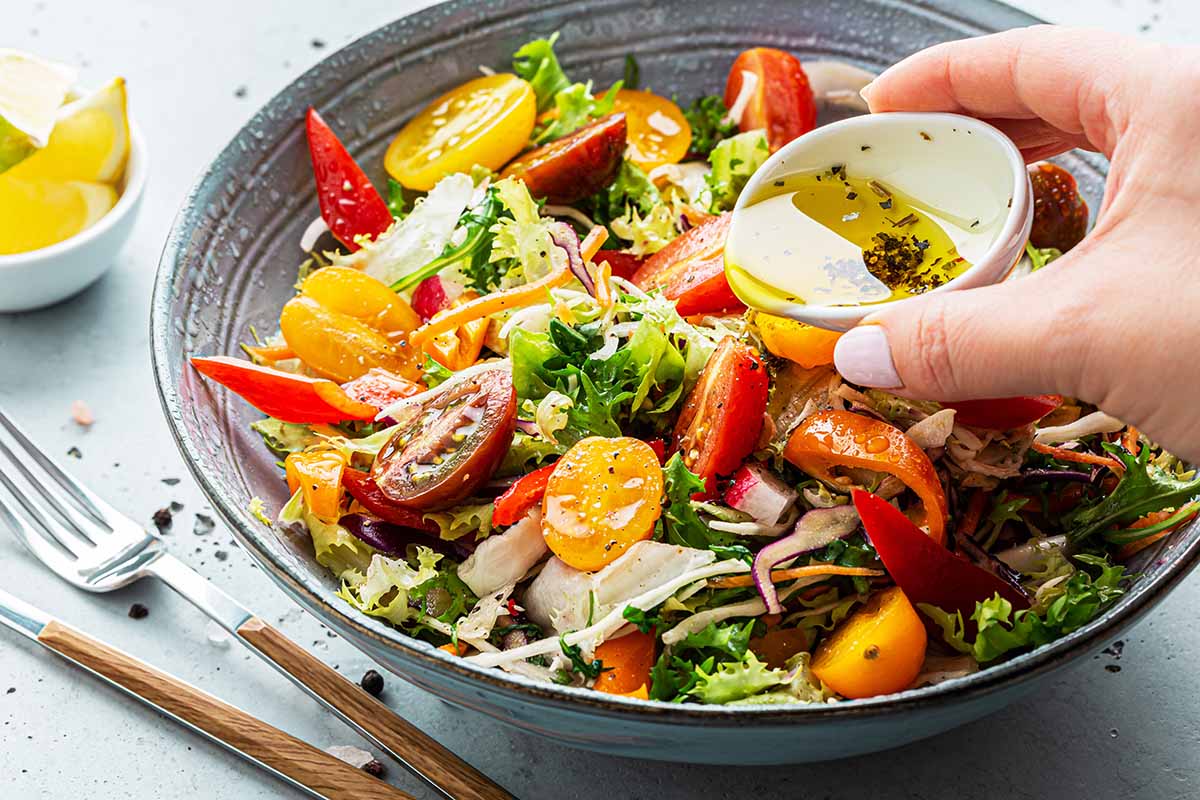
Are salads always healthy? The simple answer is no. Rich dressings can add calories and unhealthy fats, vegetable-focused ingredients can lack protein, and a lettuce base can leave you hungry—leading to over-snacking later. The solution? Balance. Use dressings, protein, and fiber for the optimal mix of value, nutrition, and satiety.
Advertisement
Lettuce wraps
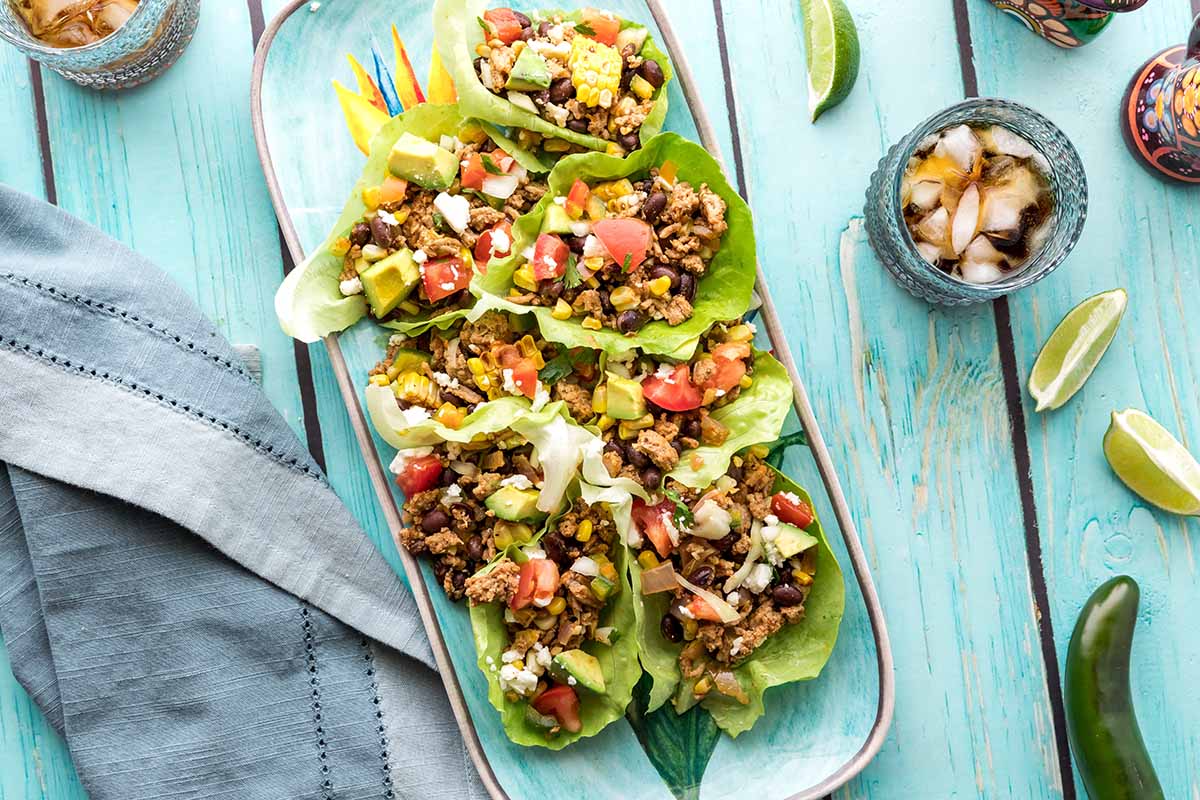
Lettuce wraps are praised for being low calorie, but they fall short on fiber and may lead you to overindulge later. Whole grain wraps support digestion and gut health with high fiber, amino acids, and micronutrients like calcium and iron. Choose the wrap that helps you meet your goals!
Advertisement
Protein bars

Protein bars seem like healthy snacks but often contain as much sugar as a chocolate bar. Studies show that health claims on labels can mislead consumers into ignoring added sugars and unhealthy fats. Choose bars with whole-food ingredients like nuts, seeds, and dried fruit—and always check the label, especially the sugar content.
Content over calories
Calorie needs vary depending on age, sex, activity level, and overall health—but studies have shown that we aren’t always reliable when estimating the caloric content or appropriate portion sizes of the food that we eat.
Instead, you might benefit from focusing on content over calories: prioritizing nutrient-rich foods with characteristics that can help you meet your nutrition goals and feel more satiated. Helpful macronutrients include protein (which helps with muscle development) and fiber (which helps with good digestion)—both of which are great for helping you feel full.
Looking for kitchen inspiration? Try these flavorful and fiber-forward whole food recipes.