
Advertisement
Eating for the Planet

More of us than ever are coming to understand the links between the food we eat and its impact on the planet. Eating a diet rich in legumes and organic vegetables, with a reduced emphasis on meat, is recognized as being better for us and the planet.
Organic fruits and vegetables are direct sources of nourishment, take less land and water than animal production, and are grown free of pesticides that can damage soil. When grown as part of a regenerative farming system, they contribute to sustainable agriculture, biodiversity, and soil improvement.
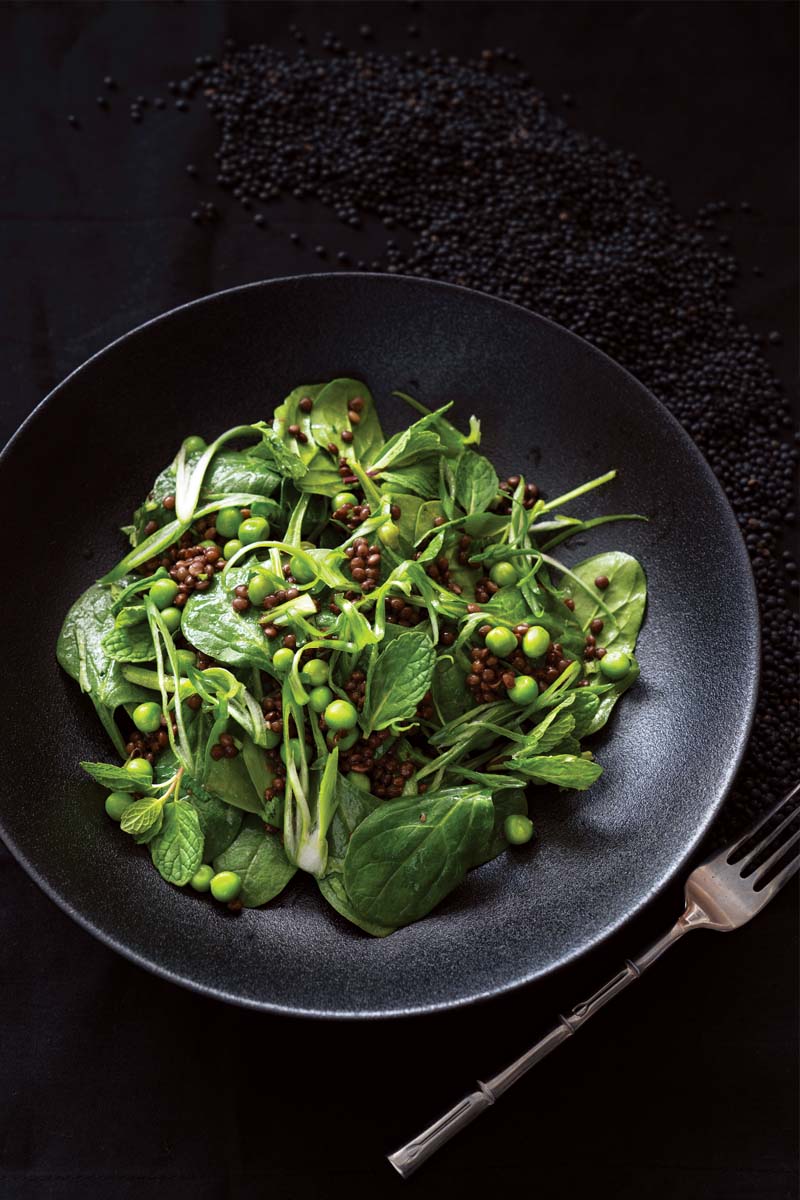
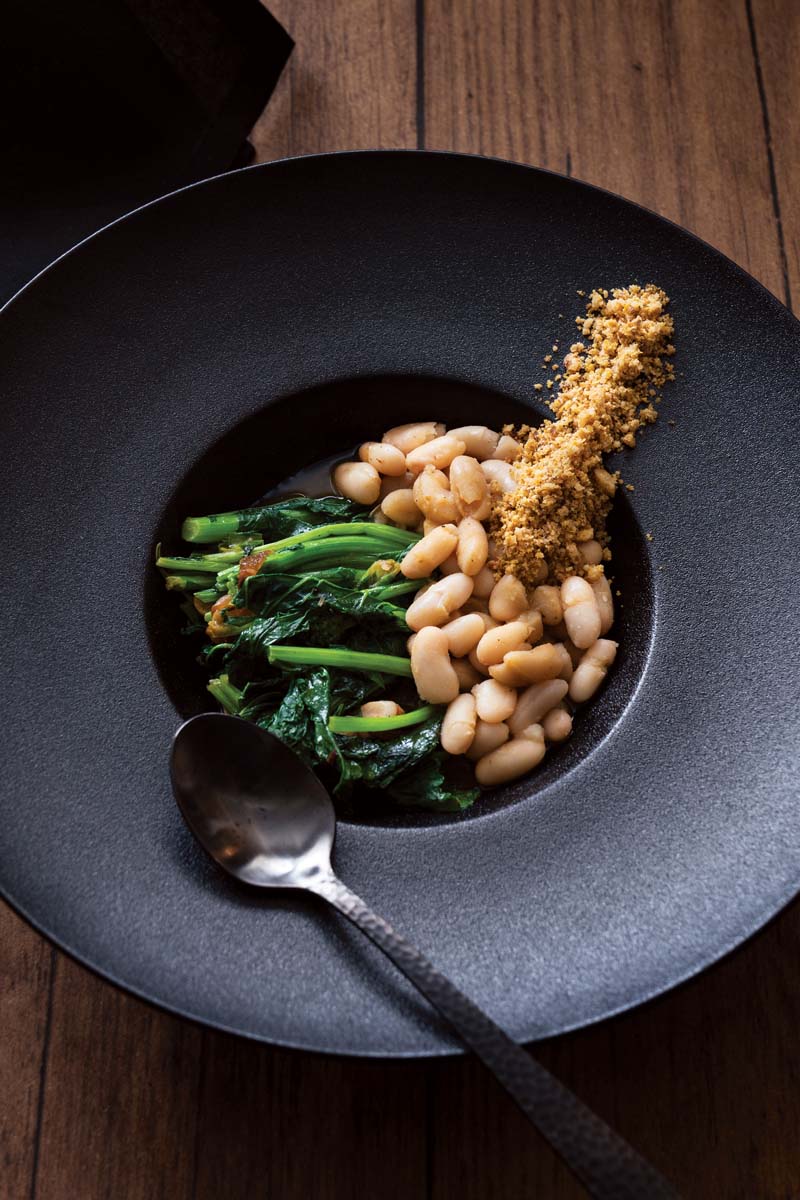
Nitrogen-fixing leguminous plants, including lentils, peas, and beans, have deep roots and require less irrigation and tillage than other crops. When used as part of a crop rotation system, the nitrogen these plants leave behind in the soil can be passed on to other crops, reducing the need for fertilizers, which, in turn, results in efficient production and less residue for the soil and the food we eat.
Where and when our food is grown is also important. “Buying local” supports local economies and may mean fewer transport emissions, just as shifting our attitudes toward selecting seasonal items can result in positive impacts for the environment as well as more variety in what we eat.
The magic is that what’s good for the earth is also good for us. Legumes are great sources of fibre and protein, and leafy greens are packed with vitamins C and K. Diets rich in vegetables, including antioxidant-packed leafy greens, are associated with lower cancer risk. Read on to discover delicious recipes that will help you include more sustainable ingredients in your meal plans.




This article was originally published in the April 2022 issue of alive.