

Advertisement
Earthy Goodness

Herbs and mushrooms and roots, yum yum! Not only are these all categories of helpful nutrients that can support your immune health through the annual cold and flu season, but they also fit snugly into the category of adaptogen.
And what is an adaptogen?
Often thought of in terms of herbs only, adaptogens are known for their help in supporting our adrenals, glands that produce hormones to help regulate our metabolism, immune system, and blood pressure as well as our response to stress.
If the coming season has you stressed about running out of energy, adaptogens may be the ingredients you need to help rebuild and strengthen your empty tank while also cooling your jets and keeping you calm.
Gather while you can
Some of these adaptogenic stars can be found in abundance right now. Autumn is mushroom season, and root vegetables are also in season—and plentiful. We’ve coupled the harvested beauties of roots and fungi with healthy adaptogenic herbs that are available all year round.
Incorporating these ingredients into your menu will benefit you in a myriad of delicious ways. From building energy and supporting your immune system to tantalizing your taste buds, each recipe provides a medley of irresistible flavours.



Herbs for better health
Healthy herbs are an all-year bonus that offer many health benefits, from lowering cholesterol to controlling blood sugar, along with potential protection against cancer. Adding a medley of herbs to your recipes not only adds amazing flavour bonuses, but is also a sure-fire recipe for good health. Here are some of our favourite healthy—and delicious!—herbs:
- basil
- cilantro
- dill
- garlic
- mint
- onion
- oregano
- parsley
- rosemary
- turmeric
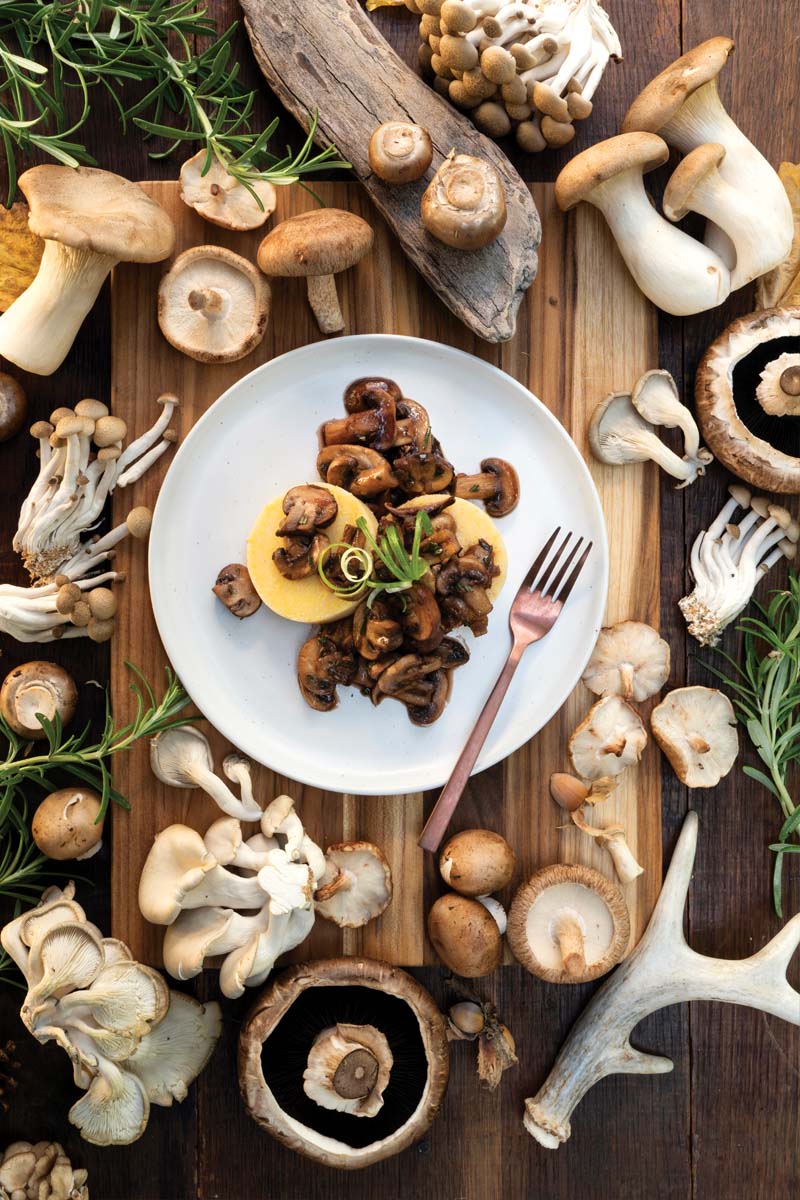
’Mazing mushrooms
Mushrooms, sometimes mysterious and often misunderstood, may offer amazing health benefits to those of us who relish their flavour possibilities—the quiet flavour that makes other ingredients in a recipe pop.
From lowering blood pressure to supporting our immune system and being an incredible source of potassium, who knew such an earthy food could be the anchor for so much goodness? And the height of irony: often grown in the dark, mushrooms are actually touted to be the only “vegetable” (they’re actually their own food group—fungi/mycology) that naturally contains vitamin D.
Here, we’ve listed only a few of the most common mushrooms used in cooking. But did you realize that there are more than 50,000 varieties of mushrooms?! They’re not all edible, but that’s a lot of fungi serving important roles in the ecoculture of our planet and our diets!
- boletus
- chanterelle
- cremini
- enoki
- maitake
- morel
- oyster
- porcini
- portobello
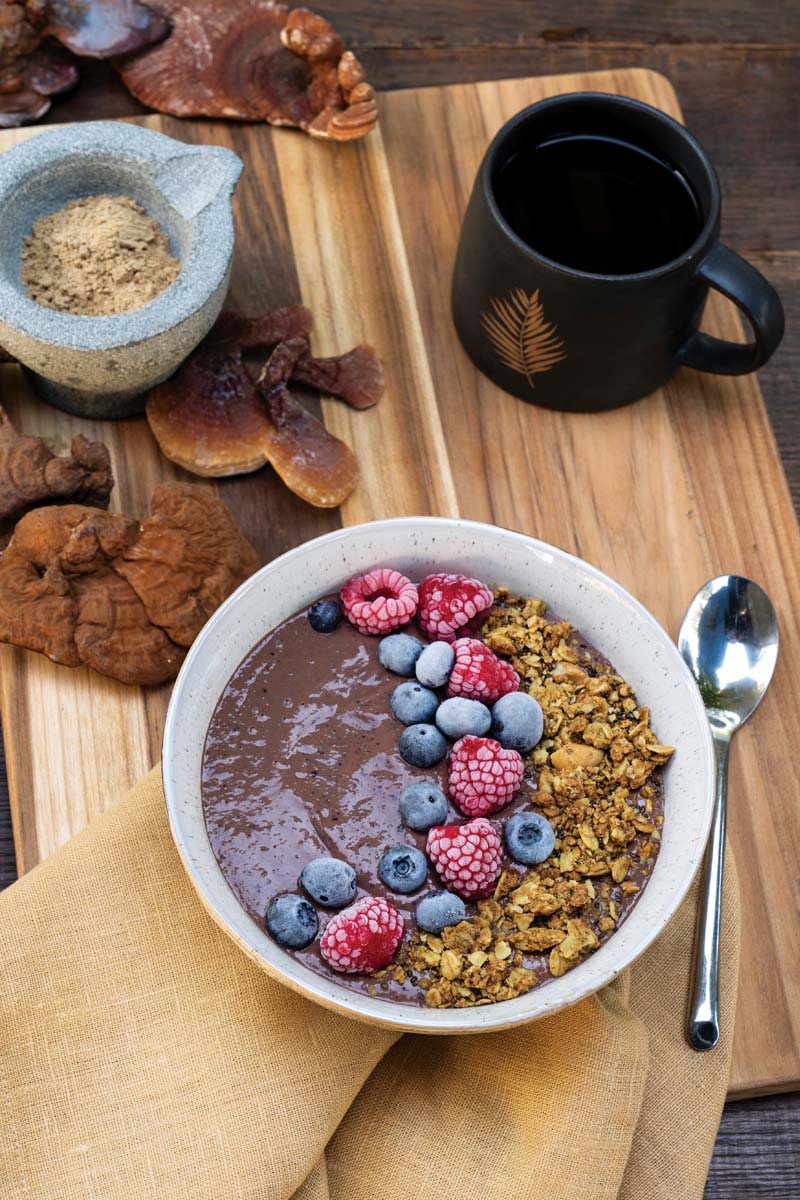
- reishi
- shiitake
- white button
Root for roots!
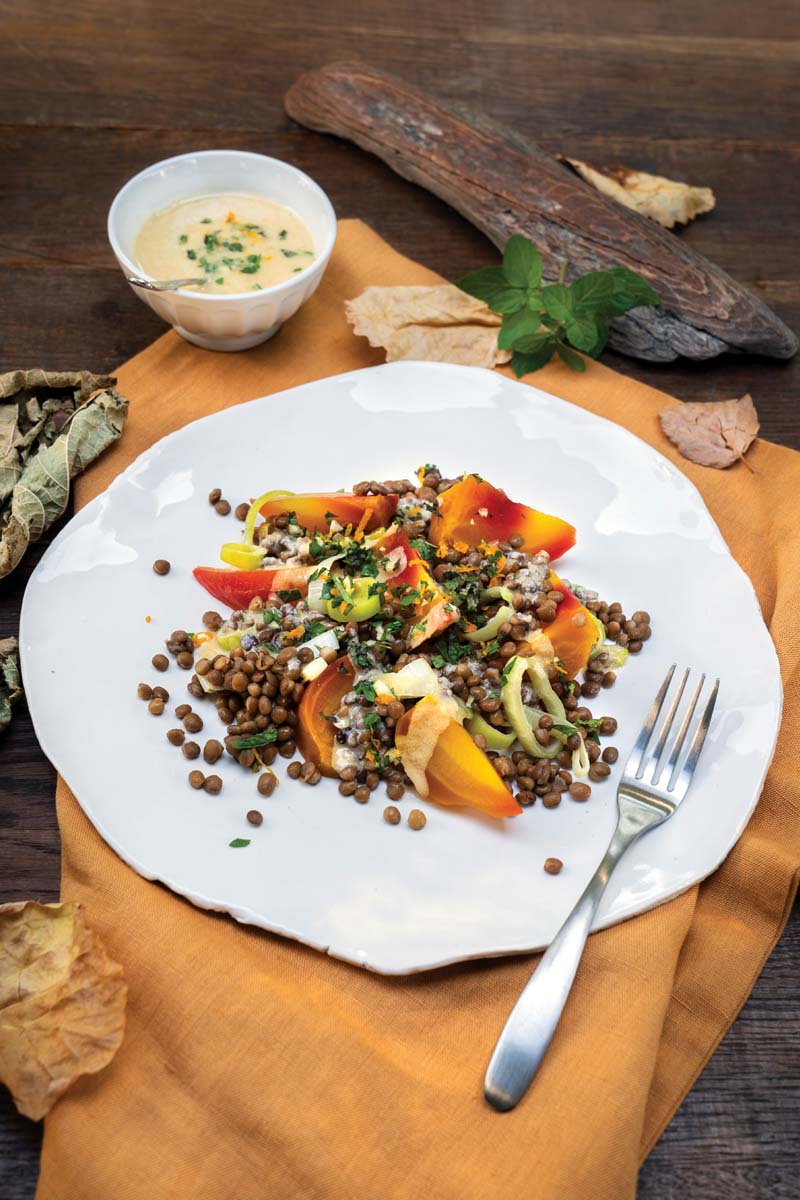
When it comes to root veggies, the healthy benefits are worth rooting for! These underground beauties offer an amazing wealth of nutrients, including essential fibre and calcium. Root veggies play a huge role in nutritional sustainability. We’ve featured only a few in our recipes here, but the root vegetable category is almost as limitless as the mushroom category. The following are but a few:
- beets
- carrots
- celery root (celeriac)
- daikon
- fennel
- horseradish
- Jerusalem artichokes
- kohlrabi
- parsnips
- radishes
- rutabagas
- sweet potatoes
- turnips
- yams